


.png)
Designing a Commercial Kitchen Maintenance Checklist Guide
Running a commercial kitchen means juggling many tasks every day. One of the most important is maintenance. Without a solid plan, equipment can fail, safety risks increase, and costs can skyrocket. That’s why I believe every commercial kitchen needs a well-designed maintenance checklist. It keeps things running smoothly, protects your investment, and ensures a safe environment.
Let’s dive into how to create a practical, easy-to-follow checklist that covers all the essentials. Whether you manage a restaurant, school kitchen, or care facility, this guide will help you stay on top of maintenance and avoid costly surprises.
Why You Need a Kitchen Maintenance Checklist Guide
Maintenance in a busy kitchen is not just about fixing things when they break. It’s about prevention. A good checklist helps you:
Identify issues early before they become emergencies.
Extend the life of your equipment.
Maintain safety standards to protect staff and customers.
Improve efficiency by keeping everything in top shape.
Save money by avoiding expensive repairs and downtime.
Think about it - how often do you check your exhaust hoods or refrigeration units? Without a checklist, these tasks can be forgotten or rushed. A checklist creates a routine. It makes maintenance part of your daily, weekly, and monthly workflow.

Key Components of a Kitchen Maintenance Checklist Guide
When designing your checklist, focus on the main areas that impact kitchen performance and safety. Here are the critical components to include:
1. Exhaust Hood and Ventilation System
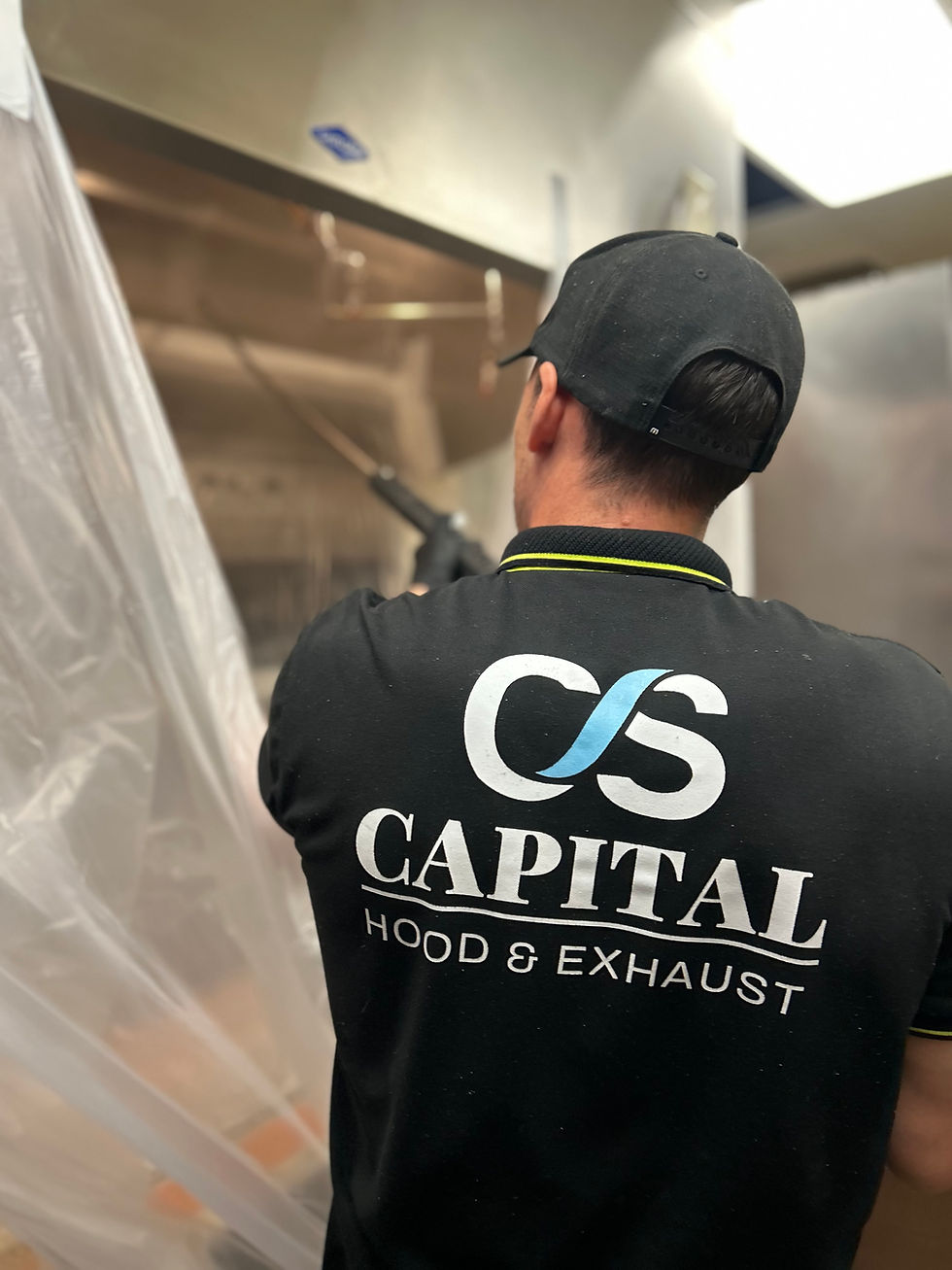
The exhaust hood removes smoke, grease, and heat. It’s a major fire hazard if not cleaned regularly. Your checklist should include:
Daily wipe down of grease filters.
Weekly inspection for grease buildup.
Monthly professional cleaning schedule.
Check fan operation and airflow.
2. Cooking Equipment
Ovens, fryers, grills, and stoves need regular checks:
Clean surfaces and burners daily.
Inspect gas connections and electrical cords weekly.
Calibrate temperature controls monthly.
Schedule deep cleaning quarterly.
3. Refrigeration Units
Proper refrigeration prevents food spoilage and health risks:
Check and record temperatures daily.
Clean condenser coils monthly.
Inspect door seals weekly.
Defrost freezers as needed.
4. Plumbing and Drainage
Leaks or clogs can cause major disruptions:
Inspect faucets and pipes weekly.
Clear floor drains monthly.
Check grease traps regularly.
Repair leaks immediately.
5. Fire Safety Equipment
Safety is non-negotiable:
Test fire suppression systems monthly.
Check fire extinguishers’ pressure and accessibility.
Ensure emergency exits are clear.
Train staff on fire procedures regularly.
6. General Cleanliness and Organization
A clean kitchen is a safe kitchen:
Daily sweeping and mopping.
Weekly deep cleaning of floors and walls.
Organize storage areas monthly.
Dispose of waste properly every day.
How to Customize Your Checklist for Your Kitchen
No two kitchens are exactly alike. Your checklist should reflect your specific equipment, layout, and usage patterns. Here’s how to tailor it:
List all equipment: Write down every appliance and system you use.
Set frequencies: Decide how often each task should be done based on manufacturer recommendations and kitchen traffic.
Assign responsibilities: Make sure each task has a clear owner.
Use a simple format: Checkboxes, dates, and notes fields make tracking easy.
Review and update: Your checklist should evolve as your kitchen changes.
Remember, a checklist is only useful if it’s used consistently. Make it part of your team’s routine and review it regularly.
Tips for Effective Maintenance Management
Creating a checklist is just the start. Managing maintenance well requires commitment and good habits. Here are some tips I’ve found helpful:
Train your team: Everyone should understand why maintenance matters and how to do their part.
Schedule regular audits: Check that tasks are completed and equipment is in good shape.
Keep records: Document maintenance activities to track trends and prove compliance.
Use technology: Maintenance apps or spreadsheets can simplify tracking.
Plan for emergencies: Have backup plans for equipment failure or urgent repairs.
By following these tips, you’ll build a culture of care around your kitchen. This leads to fewer breakdowns and a safer workplace.
Putting It All Together: Your Commercial Kitchen Maintenance Checklist
To get started, I recommend downloading a commercial kitchen maintenance checklist that covers all the bases. Use it as a template and customize it for your needs.
Here’s a quick example of what a daily section might look like:
Check and clean grease filters.
Wipe down cooking surfaces.
Record refrigerator temperatures.
Sweep and mop floors.
Inspect fire extinguishers.
Weekly tasks could include:
Deep clean exhaust hood.
Inspect plumbing for leaks.
Test fire suppression system.
Clean condenser coils.
Monthly and quarterly tasks should be scheduled with professionals when needed.
By breaking down maintenance into manageable chunks, you make it easier to stay on top of everything. And that means a safer, more efficient kitchen every day.
Keep Your Kitchen Running Smoothly
Maintenance is not glamorous, but it’s essential. A well-designed checklist is your best tool to keep your kitchen safe, efficient, and compliant. It protects your investment and your team.
Don’t wait for problems to happen. Start building your checklist today. Make it simple, clear, and consistent. Your kitchen will thank you.
If you want a head start, check out this commercial kitchen maintenance checklist. It’s a great resource to help you design your own.
Remember - good maintenance is good business. Let’s keep those kitchens running smoothly!


Comments